
RESILIENCE
Meet Students Where They Are.
Every student brings their own strengths, challenges, and experiences to learning. Instruction begins with understanding where a student is today and building from there.
With patient, supportive instruction, students can develop the skills and confidence they need to keep moving forward.


Individualized
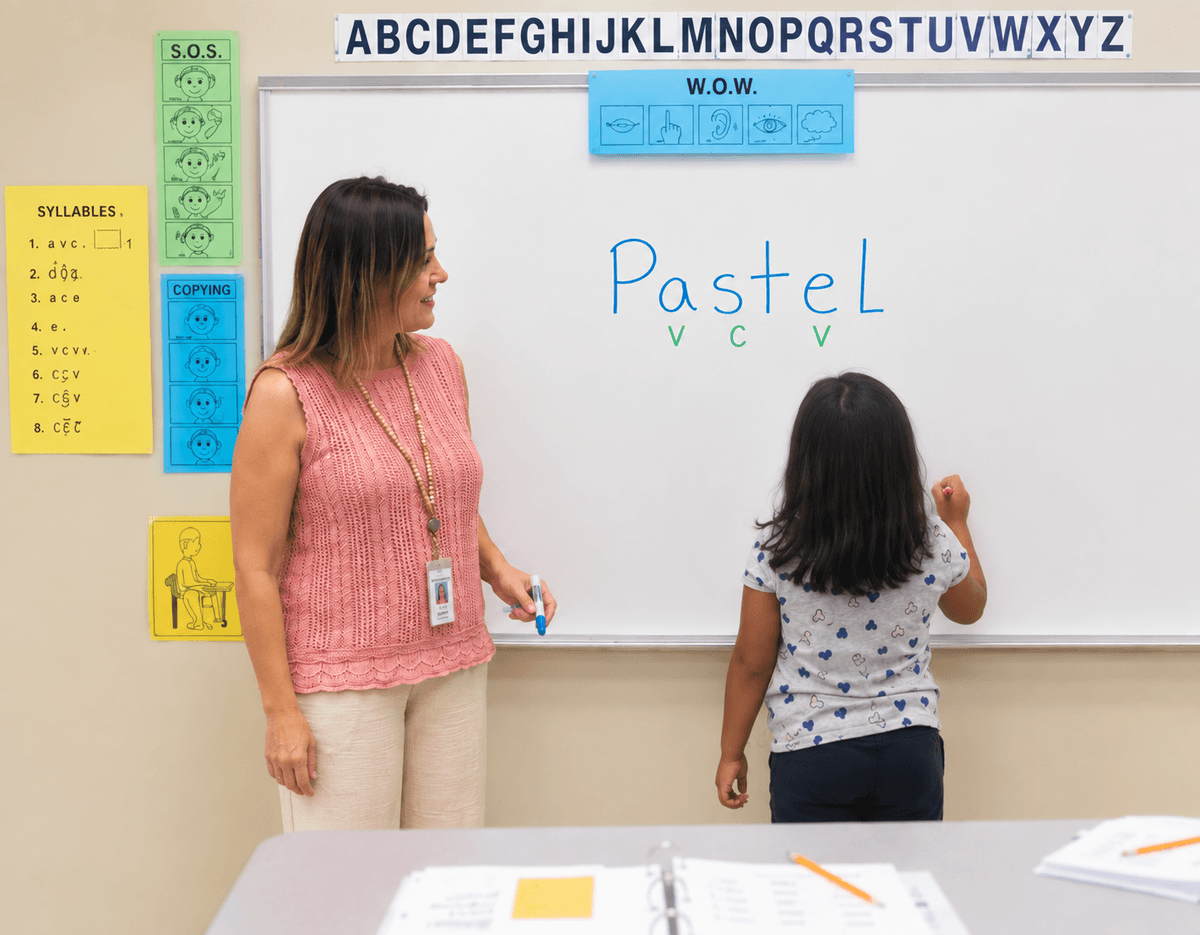
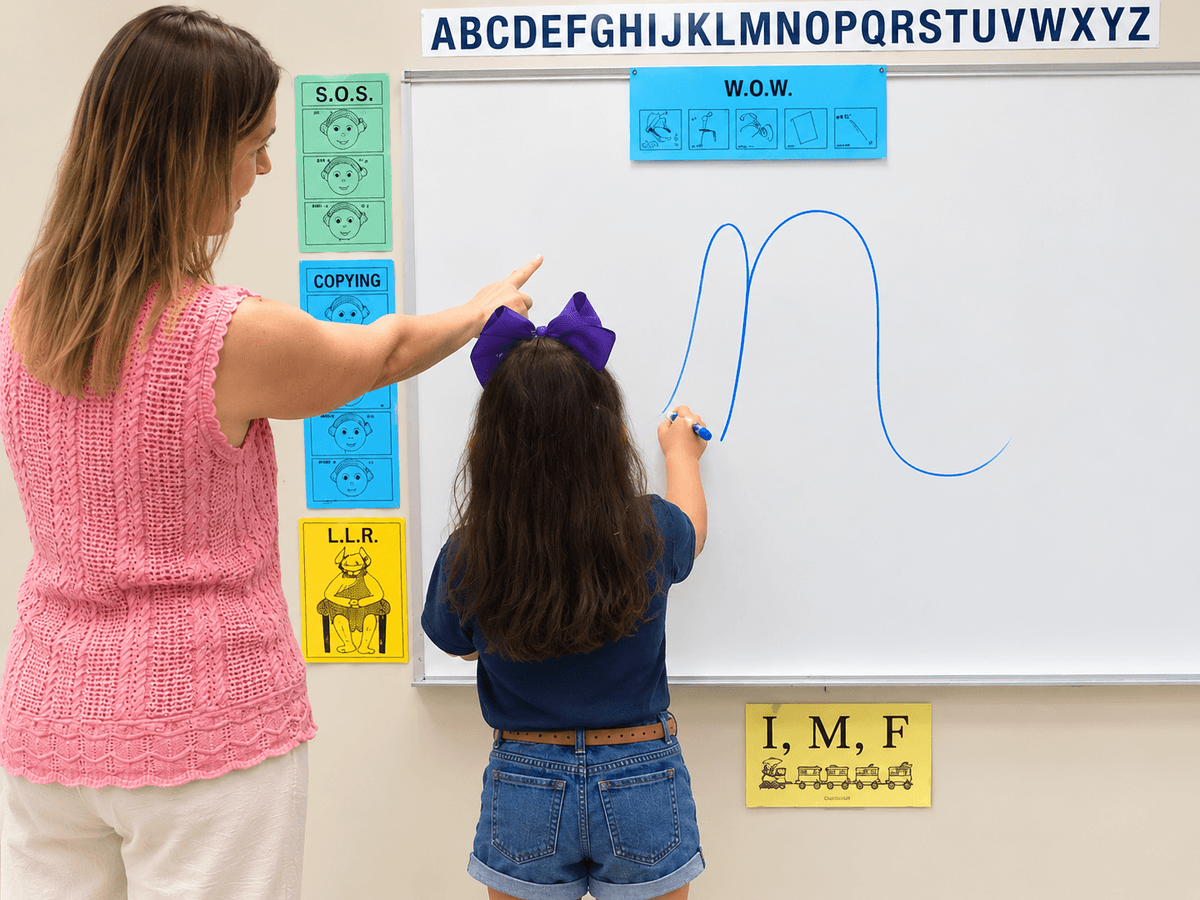
My instruction is grounded in Orton-Gillingham principles, providing systematic and multisensory approaches tailored to each student's needs.

Supportive
I customize lessons to meet students where they are, fostering confidence and independence in reading and writing skills.

Confidence Building
My methods are continually updated based on current reading research to ensure the most effective interventions.
EVIDENCE-BASED INSTRUCTION
Grounded in Orton-Gillingham. Informed by the Science of Reading
My instruction is grounded in the principles and practices of the Orton-Gillingham approach, including explicit, systematic, multisensory instruction in phonology, sound-symbol relationships, syllable types, spelling patterns, morphology, and language structure.
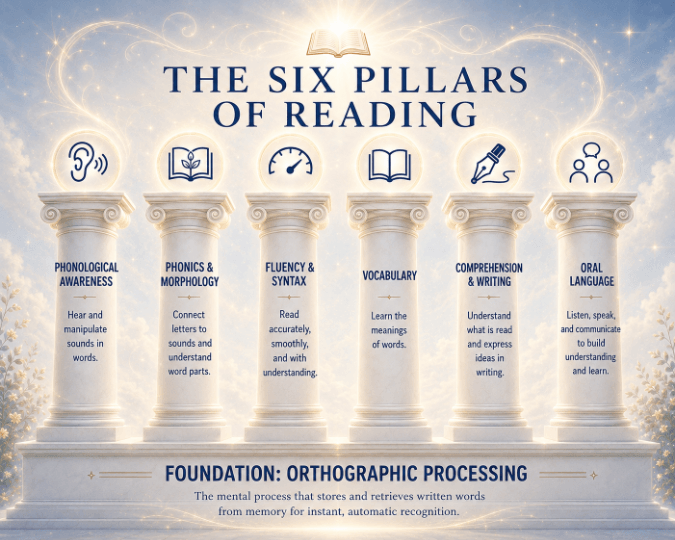
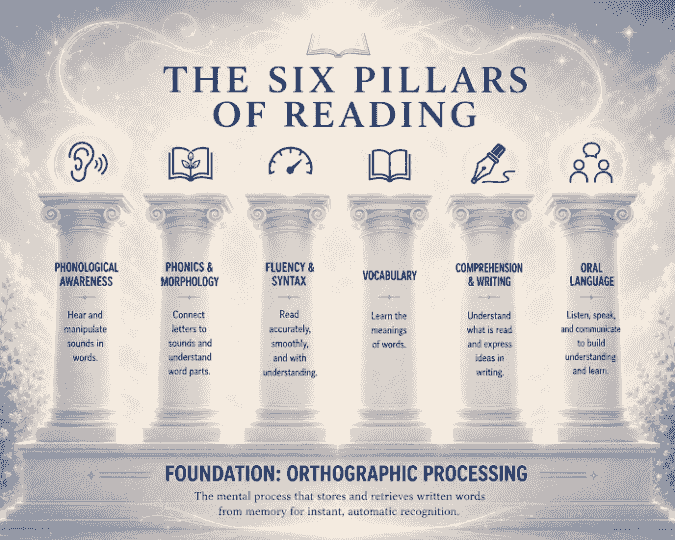
My approach is also informed by research on orthographic processing and word recognition, including the work of Dr. Linnea Ehri.
Structured instruction + current reading research + individualized support
This research helps inform how students develop accurate and automatic word recognition by connecting speech sounds, letters, spelling patterns, and meaningful word parts.
Most importantly, instruction is individualized. The goal is to address both what a student needs to learn and how that student learns best.

The goal isn't simply to teach students to read.
It's to help them become confident, capable, independent readers.RESULTS
Stronger Skills. Greater Confidence. More Independence.
When students have instruction that meets their needs, they can begin to build the skills and
strategies that support stronger reading and writing.

Stronger Reading Skills
Developing more accurate and effective word reading.
Growing Confidence
Recognizing progress and approaching learning with greater confidence.
Greater Independence
Building tools and strategies students can use beyond the lesson.
Better Spelling/Writing
Understanding patterns and structures that support spelling/writing.
THE PERSON BEHIND THE INSTRUCTION
Teaching the Student, Not Just the Skill.
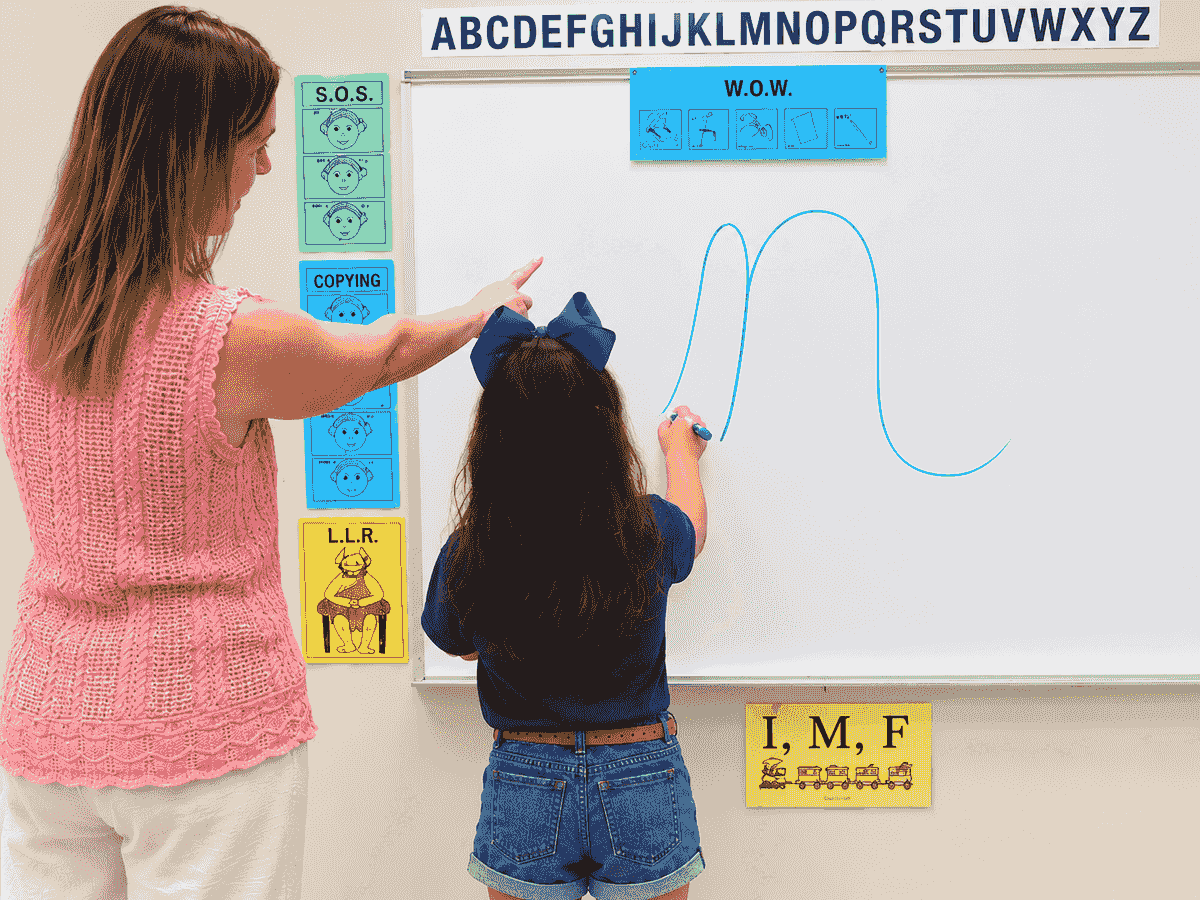
Tracy Bradley, CALT provides individualized, evidence-based reading instruction designed to help students understand how reading works, develop stronger skills, and gain confidence along the way.
Education & Credentials
Certified Academic Language Therapist (CALT)
Master's Degree in Curriculum & Instruction
Bachelor's Degree in Theatre Education
Training / Specialty
Specialized training in structured literacy and dyslexia intervention through the Rawson Saunders Institute, part of the Neuhaus Education Center. Instruction is grounded in Orton-Gillingham principles and incorporates an understanding of phonology, orthographic processing, word reading, vocabulary, fluency, comprehension, spelling, and written language.
Experience
7 years of experience providing individualized reading and dyslexia instruction.What happens during instruction?
Lessons are structured around the student's current skills and needs, with explicit
teaching, guided practice, and opportunities to apply new skills.
READY TO TAKE THE NEXT STEP?
Let's Help Your Student Move Forward.
Have questions about your child's reading or writing progress? Get in touch to learn more about individualized evidence-based instruction.
Parent / Guardian Name *Email Address *Student's Age / GradeWhat would you like support with? *Message *